
Introduction
Tuberculosis, often called TB, is a serious infection caused by bacteria. It mainly affects the lungs, but it can harm other parts of the body too. According to the World Health Organization (WHO), millions of people worldwide get tuberculosis each year. Although TB is treatable, it remains a top cause of illness and death in many countries. Because of this, knowing about tuberculosis symptoms, causes, and prevention is important for everyone.
Symptoms of Tuberculosis
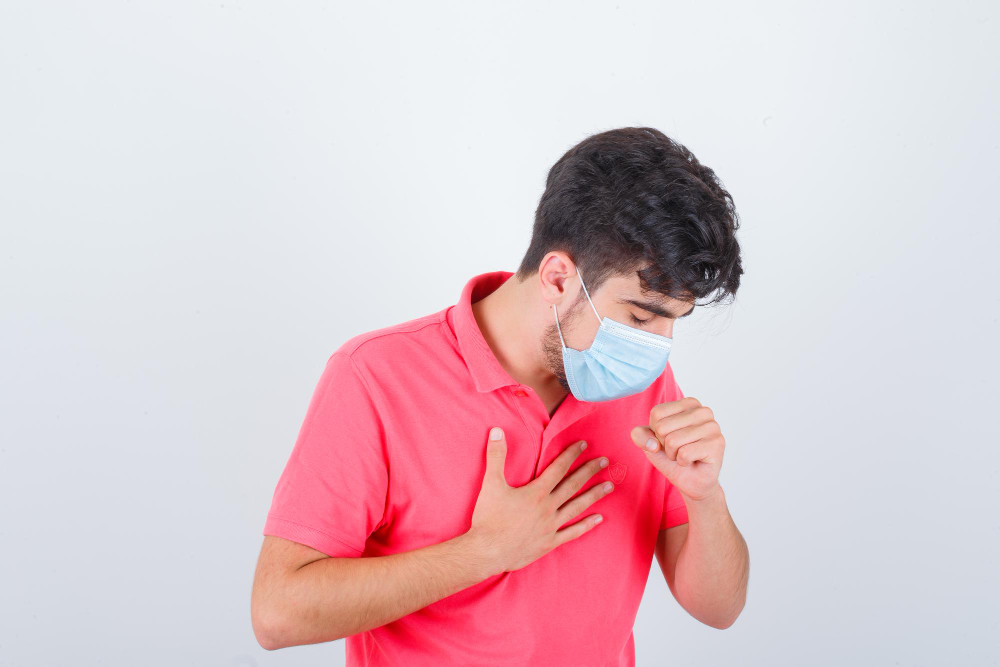
Early signs of tuberculosis can be mild and easy to miss. However, knowing the symptoms helps with early TB diagnosis and treatment. Common tuberculosis symptoms include:
Sometimes, TB can affect other organs. In these cases, symptoms may include swollen glands, joint pain, or headaches. If you notice these signs, it is wise to seek medical help.
Causes and Risk Factors
Tuberculosis spreads through the air when a person with active TB coughs or sneezes. You can get infected by breathing in these germs. However, not everyone who breathes in TB bacteria gets sick right away. Some people have a strong immune system that keeps the bacteria under control.
Several factors can raise your risk of getting tuberculosis:
Because of these risks, it is important to know how to prevent tuberculosis, especially if you are in a high-risk group.
How Tuberculosis is Diagnosed
Doctors use several tests to diagnose tuberculosis. First, they may ask about your symptoms and medical history. Next, they might do a physical exam. Common TB diagnosis methods include:
Sometimes, more tests are needed to confirm the diagnosis. Early testing helps start treatment sooner and prevents the spread of TB.
Treatment Options
Tuberculosis treatment options usually involve taking several antibiotics for at least six months. The most common medicines include isoniazid, rifampin, ethambutol, and pyrazinamide. Your doctor will choose the best plan for you.
It is very important to take all your medicine as prescribed. If you stop early, the bacteria may become stronger and harder to treat. In some cases, people need help from a nurse or health worker to make sure they take every dose. This is called directly observed therapy (DOT).
With proper treatment, most people recover fully from tuberculosis. However, missing doses or stopping treatment can lead to drug-resistant TB, which is much harder to cure.
Prevention Tips and Lifestyle Guidance
There are several ways to lower your risk and help prevent tuberculosis:
Additionally, avoid close contact with people who have active TB, especially if you have a weak immune system. If you live or work in a high-risk area, regular check-ups can help catch TB early.
When to See a Doctor
If you have a cough that lasts more than three weeks, or if you notice other tuberculosis symptoms like fever, night sweats, or weight loss, see a doctor right away. Early TB diagnosis and treatment can prevent serious health problems and stop the spread of the disease. Even if you feel unsure, it is better to get checked.
In summary, tuberculosis is a serious but treatable disease. Knowing the symptoms, causes, and how to prevent tuberculosis can protect you and your loved ones. Consult a healthcare professional for personalized advice on tuberculosis.